

Rethinking Humanitarianism | The aid sector’s techno-colonialism problem
Experts unpack AI and new tech in crises, the fallback on “techno-utopian” solutions, and the risk of “techno-colonialism” and why it matters.
Experts unpack AI and new tech in crises, the fallback on “techno-utopian” solutions, and the risk of “techno-colonialism” and why it matters.
Click to expand Image
Protesters hold placards in solidarity with humanitarians who were still detained in Greece, November 18, 2021.
© 2021 Hesther Ng/SOPA Images via AP Photo
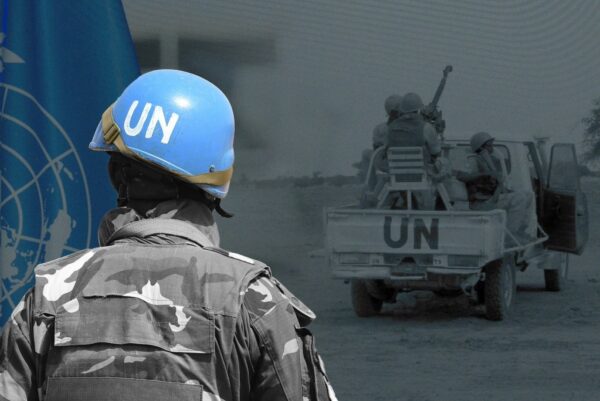
Liquidity issues at the United Nations are often dismissed as a technical budgetary complication. But the reality is that funding shortfalls undermine collective global security. The UN’s regular budget for peace and security, sustainable development and human rights promotion was cut roughly US$3.

I have a habit of re-watching movies during festive times. As we entered the Year of the Horse, one movie that I watched again during Chinese New Year was Marriage Story, a legal drama released on streaming platforms in 2019.
The story centres on the divorce of the two lead characters and the result
A Nobel laureate has developed a sustainable technology that harvests clean drinking water from dry air, offering a resilient solution for water scarcity and disaster-prone regions affected by droughts and hurricanes.
The Philippine Preparedness Partnership expanded and integrated an early warning system network in Tarlac City, strengthening flood and earthquake monitoring and embedding real-time data into local disaster risk reduction operations.
As DRR frameworks increasingly recognize the importance of mental health in preparedness and recovery, there are some policy actions that can be taken to strengthen the resilience of individuals and communities.
Prepared International (PPI) participated in the first workshop of DARE (Deployment and Engagement of Resources and Citizens for European Emergency Response) in Gelsenkirchen, Germany.
The webinar will showcase country case studies, including experiences with integrating geospatial and land administration data, and will highlight how such approaches can strengthen risk assessment, planning and response capacities.
A new report has set out how the UK might respond to major disruptions to food supplies triggered by events such as war, extreme weather, or cyber-attacks, and what can be done now to prevent such disruptions from escalating into a crisis.