

Sri Lanka: MSF concludes emergency response to cyclone Ditwah
We’ve concluded our emergency response to cyclone Ditwah, the worst natural hazard to hit Sri Lanka in two decades.

We’ve concluded our emergency response to cyclone Ditwah, the worst natural hazard to hit Sri Lanka in two decades.
How do you make the right choice when all the options are bad? There’s a tool for navigating humanitarian dilemmas.
The World Health Organization (WHO), together with the Pan American Health Organization (PAHO), congratulates Chile for becoming the first country in the Americas – and the second globally – to be officially verified as having eliminated leprosy disease.
“No child should have to face this, and no family should face this alone.”
The post March 3, 2026: “No family should face this alone.” appeared first on CARE.
There’s a persistent myth in global health that cutting-edge technology is a luxury — something for well-resourced hospitals in wealthy countries, not for frontline health workers navigating remote villages with limited supplies and spotty connectivity.
That myth is being dismantled, quickly.
The po
The World Health Organization (WHO) today announced recommendations for the viral composition of influenza (or “flu”) vaccines for the 2026-2027 northern hemisphere influenza season. The announcement was made following a 4-day consultation examining global influenza surveillance data.
The World Health Organization (WHO) has certified Denmark for the elimination of mother-to-child transmission (EMTCT) of HIV and syphilis, recognizing the country’s sustained commitment to ensuring every child is born free of these infections.
Experts unpack AI and new tech in crises, the fallback on “techno-utopian” solutions, and the risk of “techno-colonialism” and why it matters.
Click to expand Image
Protesters hold placards in solidarity with humanitarians who were still detained in Greece, November 18, 2021.
© 2021 Hesther Ng/SOPA Images via AP Photo
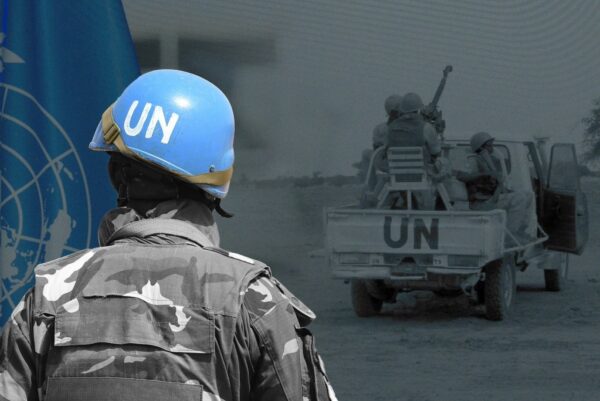
Liquidity issues at the United Nations are often dismissed as a technical budgetary complication. But the reality is that funding shortfalls undermine collective global security. The UN’s regular budget for peace and security, sustainable development and human rights promotion was cut roughly US$3.