
![ACAPS Sudan Risk Analysis [2026] (Thematic Report 13 May 2026)](https://wedoourbest.org/wp-content/uploads/2026/05/c5f2f29c-0746-5cb0-af4e-b102e0c53e27.png)
ACAPS Sudan Risk Analysis [2026] (Thematic Report 13 May 2026)

Please refer to the attached file.
ABOUT THIS REPORT
Aim and scope
This report outlines seven risks of emerging or deteriorating humanitarian conditions in Sudan between June–December 2026. The risk analysis aims to support humanitarian decision makers in anticipating potential escalations in humanitarian needs, displacement, humanitarian access constraints, and service disruptions to inform proactive preparedness and response planning. These seven risks were selected based on their relevance to humanitarian decisionmaking. They were identified based on emerging triggers, conflict and political developments, and deteriorating trends likely to worsen humanitarian outcomes over the next six months. Data collection, triangulation, and validation ACAPS used a combination of secondary data review, joint analysis, and targeted external consultation to identify risks and assess their probability and potential humanitarian impact through trends analysis, precedent analysis, and the triangulation of operational and contextual information.
• Secondary data review: the ACAPS team reviewed publicly available data and information to identify emerging developments, escalating trends, and deteriorating conditions likely to heighten humanitarian needs, including displacement, humanitarian access constraints, service disruptions, and food insecurity. The review included reports, datasets, and knowledge products from humanitarian organisations, research institutions, and media sources covering Sudan.
• Key informant interviews (KIIs) and external reviews: ACAPS conducted a limited number of KIIs and external reviews with operational responders working in humanitarian INGOs and NNGOs in Sudan. These consultations were used as a supplementary input to gather insights, collate operational perspectives, and validate findings.
• Joint analysis meeting (JAM): ACAPS facilitated a joint analysis session with over 15 participants working in humanitarian implementation and advocacy in Sudan, including participants from local and international organisations, as well as UN agencies. The JAM served as a key component of the risk identification and assessment process by supporting the identification of emerging developments, operational concerns, and potential humanitarian impacts. It also contributed to the probability and impact assessment by allowing for a comparison of perspectives across organisations, sectors, and geographic areas, helping identify areas of convergence, divergence, and uncertainty in available information. The session also helped to triangulate validation by providing a structured forum to sense-check preliminary findings, challenge assumptions, and refine the credibility of key information.

You May Also Like


![Philippines: Mayon Volcano Summary of 24Hr Observation 21 May 2026 12:00 AM [EN/TL]](https://wedoourbest.org/wp-content/uploads/2026/05/de909eaf-40d4-4ce4-857b-68a31281e907.png)
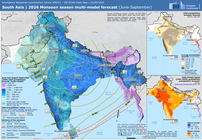
Bangladesh: South Asia | 2026 Monsoon season multi-model forecast (June-September) – DG ECHO Daily Map | 22/05/2026
![Tonga: Dengue Fever Outbreak Situation Report #22, 22nd May 2026 [EN/TO]](https://wedoourbest.org/wp-content/uploads/2026/05/e64df3cd-73de-4250-ab16-df84d1a581de.png)
DR Congo: For 50 years, women have been over represented in Ebola deaths – UN Women fears the current outbreak will follow the same pattern
DR Congo: Norway contributes NOK 50 million to the WHO Health Contingencies Fund following Ebola outbreak
Mali: Food Security Outlook Update – Reduced food access worsening acute food insecurity in the north and center, April – September 2026
Solomon Islands: Tropical Cyclone Maila – Pacific Humanitarian Team: Situation Report No.4 (19 May 2026)
![Philippines: Mayon Volcano Summary of 24Hr Observation 22 May 2026 12:00 AM [EN/TL]](https://wedoourbest.org/wp-content/uploads/2026/05/02c3bf8e-16be-46bc-b2e5-f50ef7adcd56.png)

![Philippines: Mayon Volcano Summary of 24Hr Observation 19 May 2026 12:00 AM [EN/TL]](https://wedoourbest.org/wp-content/uploads/2026/05/0b574c81-d321-45d0-b73a-8e24ee059885.png)


WHO Weekly Situation Update on Ongoing Health Emergency Events in South Sudan – Week #: 19 ; Date: 15th May 2026

Federated States of Micronesia: Typhoon Sinlaku, Pacific Humanitarian Team (PHT) – Situation Report No. 03 (As of 15 May 2026)
![Tonga: Dengue Fever Outbreak Situation Report #21, 18th May 2026 [EN/TO]](https://wedoourbest.org/wp-content/uploads/2026/05/a38933ca-d472-4ce6-9966-5ed5a719b15f.png)
![Philippines: Mayon Volcano Summary of 24Hr Observation 18 May 2026 12:00 AM [EN/TL]](https://wedoourbest.org/wp-content/uploads/2026/05/e341cffd-b2b6-485e-8b0a-5af04bfe91c4.png)

DIGITAL RIGHTS: ‘The Priority Should Be Holding Tech Companies Accountable, Not Banning Children from the Digital World’
Colombia: Hacia la Dignidad: Rompiendo barreras para la población refugiada y migrante en Puerto Carreño

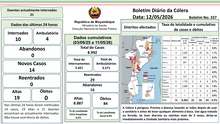
![Mozambique: Boletim Diário da Cólera Data: 12/05/2026 [PT]](https://wedoourbest.org/wp-content/uploads/2026/05/ae32d930-ddb8-4cb2-9741-3f805854e8b6-2.png)

oPt: West Bank Protection Cluster Snapshot | Protection Monitoring | Reporting Period 1 Feb – 30 Apr 2026

Philippines: The Peace Accords Matrix-Mindanao (Pam-M) and Civil Society Normalization Update Report (September – December 2025)
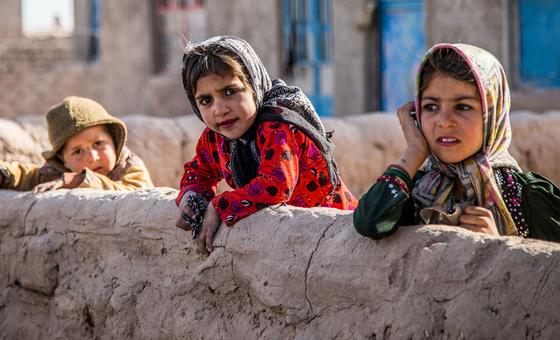


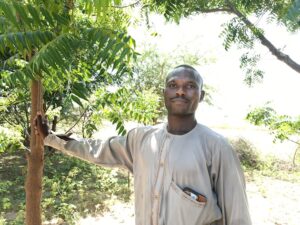
Ambitious Great Green Wall Shows Slow, Steady Progress in Strengthening Landscapes, Improving Livelihoods
Fermina Stevens: “We want to protect our Indigenous land in Nevada from the dangerous impact of lithium mining”

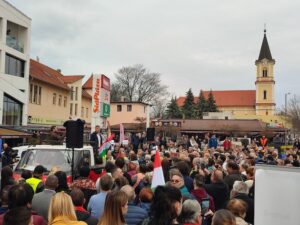
PHILIPPINES: ‘A Protest Is One Day, but Organising Is the Thousands of Conversations That Make That Day Possible’





VENEZUELA: ‘The Credit Goes to Detainees’ Families, Human Rights Organisations and the International Community’






First workshop of the Deployment and Engagement of Resources and Citizens for European Emergency Response project held in Gelsenkirchen, Germany
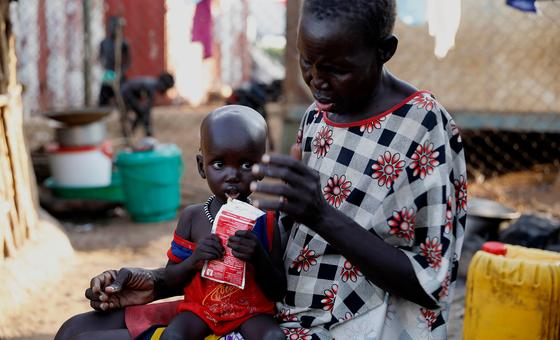
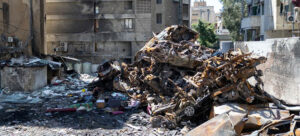
World News in Brief: UN humanitarian chief visits South Sudan, shelter fire risks in Gaza, West Bank violence
Heat stress and urban resilience: alternative cooling strategies to combat extreme heat in the urban environment
World News in Brief: Conflict deepens hunger crisis in South Sudan, restrictions hinder aid delivery in Gaza, UN child rights envoy concludes first visit to Syria
The Intergovernmental Oceanographic Commission (IOC) of UNESCO, strengthens public safety through better preparedness with NEAMWave26 tsunami exercise